
 Français
To grow cannabis indoors you need an enclosed space you can control: a grow light, an extraction fan for air exchange, and a way to hold temperature and humidity steady. Germinate the seed, run 18 hours of light through the vegetative stage at 70–85°F and 40–60% relative humidity, switch photoperiod plants to 12 hours of light to start flowering, then dry and cure the harvest. Start to finish, an indoor crop takes roughly 10 to 32 weeks depending on the strain and how long you vegetate. The sections below cover each step in order, and the temperature and humidity guide has the full ranges for each stage.
Benefits Of Growing Cannabis Indoors
Growing weed indoors brings a lot of advantages to any home grower. The most notable advantage is the ability to control every aspect of your growing environment, resulting in high-quality weed every time. By controlling all the factors such as lighting, temperature, nutrients, and pests, you can easily optimize conditions for maximum yields and superior product quality.
You can also take preventative measures when it comes to environmental issues such as mold or mildew that may be harder to manage outdoors.
Adaptability
Adaptability is one of the major benefits of indoor gardening. Unlike outdoor growing, you have the freedom to set up your climate and customize it for each plant's needs.
You can grow a wide variety of plants in any type of environment as long as you provide adequate light, water, and other resources. You are not bound by the sun or seasons, so you can be creative with what you would like to grow.
With indoor gardening, several additional aspects need to be accounted for compared to outdoor gardening.
Multiple Harvests
Multiple harvests are a great way to make sure you get the most out of your garden or indoor growing projects. The advantage of having multiple harvests is that you can let your plants get as big as desired, choosing when to induce flowering and when to harvest. This allows you to have control over how long each crop grows and how much yield you can expect from it.
The beauty of this method is that it gives you the freedom to have some sort of continual growth cycle throughout the year. You can start batches whenever it best suits your schedule, allowing for crops all year round – even through winter or summer.
By doing so, you always maintain consistent yields each time, making sure that too much produce doesn't waste any one session, which can be a huge stress reliever for experienced growers who want reliable results from season to season.
Privacy and Security
Having the privacy and security provided by growing cannabis indoors is something many indoor cannabis growers prefer. Because even in legal states, potential judgment from neighbors or theft from an outside source can be a consideration. Indoor growing options are perfect for those looking to keep their crop concealed and secure.
Using an indoor space to grow cannabis also provides an extra layer of security as you can always lock the door behind you, preventing access for anyone who doesn't have permission.
How To Set Up An Indoor Grow Room

Discover the essentials of setting up a thriving indoor grow room in this comprehensive guide. Learn about choosing the right space, optimizing lighting, temperature, and humidity, as well as selecting suitable equipment for a successful and sustainable gardening experience.
Indoor Space
Indoor space is an essential element when it comes to growing marijuana plants. While some people opt for buying grow tents, there are plenty of other options available too. You don’t even need a designated grow tent to be successful.
A closet, cabinet, spare room, or a corner in an unfinished basement can all make great indoor spaces for your weed plants. It's wise to choose a spot close to a window so the smell can be ventilated outside and not become overwhelming indoors.
Indoor Climate
Maintaining a proper indoor climate is an essential component of successful cannabis cultivation. Temperature, humidity, light intensity, and airflow all need to be monitored and regulated to produce healthy, high-quality plants.
In addition to controlling the climate within the grow space itself, external elements must also be taken into account. Warnings or humid conditions outside the growing area can cause issues with airflow and can create an environment that’s unfavorable for your crops.
When selecting a spot for your grow space it’s important to look for a cool, dry area with access to fresh air from outside. Heating systems and dehumidifiers should be available if necessary in cases where the external environment poses problems with temperature and moisture levels.
Lights
Light is a crucial ingredient for successful marijuana cultivation. Plants in the vegetative stage require 18 hours of light every day to develop robust stems and leaves; while during their flowering cycle, they require 12 hours of light.
Outdoor marijuana farmers aren't normally concerned with the amount of lighting, as it's governed by the position of the sun, but indoor growers have to have control over their environment to maximize plant growth and production.
To begin their flowering cycle, weed plants must reduce their light exposure from 18 to 12 hours daily. This process triggers bud production, causing thicker branches and higher yields in specific cannabis strains. When growing marijuana indoors, extra precautions must be taken so as not to confuse the plants with sudden or excessive amounts of light leakage during dark periods.
Otherwise, plants may produce male flowers or revert to an earlier stage of development, leading to lower-quality chips or buds in the final product. An effective indoor space must be well protected from exterior grow light sources for maximum plant health and maximum yields at harvest time.
Air Circulation

Air circulation is essential in any indoor garden or grow room. Without it, plants can suffer undesirable conditions that will inhibit their optimal growth, like a lack of carbon dioxide necessary for photosynthesis and pockets of high humidity that can lead to pest infestation and the spread of mildew and mold.
The key to successful air circulation is having a steady stream of fresh air coming in from outside sources as well as an exhaust fan near the top of the space that can effectively suck out already warm air. This will help move warm air away from plants and bring in cool air, allowing for an entire exchange throughout the entire grow space every minute or so.
If done properly, this process will help create a consistent environment for optimal plant growth with enough CO2 for effective photosynthesis and low humidity levels, preventing potential negative factors like nutrient lockout and pest infestations.
Dehumidifiers And ACs
In indoor grow spaces, the challenge lies in creating the right climate—not too hot, not too cold, and not too humid. A dehumidifier or “dehuey” can help reduce humidity levels in your space but keep in mind that it also increases temperature.
To combat this, one should probably invest in fans for circulation and ideally an AC unit for cooling if it gets too hot even after adding fans. Fans are a must in any indoor grow space as they are essential for moving the air around.
Timers/Automation
Investing in a timer for your lighting fixtures is an absolute must for any indoor gardener. This is because plants require consistent lighting to be able to complete the necessary stages of their growth cycle, and these cycles depend heavily on the level of light that they receive.
It's recommended to check your timer at least once a week to make sure it's working properly. Simple timers can also be used on fans in your setup, but a thermostat works better since you can set it to a specific temperature and the fans will turn on when necessary.
Dehumidifiers and ACs usually come with built-in thermostats, but if yours doesn’t have one, you’ll need an external one. For those willing to spend extra money on increased control over their indoor gardening setup, an environmental controller is an ideal tool as it allows you full automation of the processes involved in creating ideal growing conditions. Detailed diagrams or instructions should be followed when installing any kind of timer or automation equipment.
How To Regulate Temperature And Humidity When Growing Weed Indoors

Temperature and humidity are two of the most important environmental factors to consider when growing weed indoors. It is essential to maintain a comfortable temperature range for optimum plant growth, with temperatures between 70-85°F during light periods and between 58-70°F when off.
Depending on the variety of cannabis being cultivated, the ideal temperature may lean towards the colder side or higher end of this range.
Generally speaking, seedlings or clones prefer temperatures of 75-85°F with a relative humidity of around 70%, while plants in vegetative growth enjoy temps from 70-85°F and 40-60% RH. During flowering phases, optimal growth can be achieved at 65-80°F and a relative humidity level that stays between 40-50%.
Tools To Measure Temperature And Humidity
Having the right tools to measure temperature and humidity changes in an indoor garden is critical for cannabis cultivation. Knowing precisely what your environment's conditions are, provides card-carrying cultivators with the information needed to make optimal decisions for the growth of their plants.
The first tool to measure temperature is a thermometer. A basic thermometer allows you to get readings of the ambient temperatures inside your Garden quickly and efficiently. If more accurate numbers need to be obtained, then an infrared thermometer (IR thermometer) should also be purchased.
An IR thermometer uses a special device called a thermopile which can detect surface temperatures without any physical contact being made with whatever it comes into contact with. This allows for important information regarding leaf temps, stem temps, and other details which will provide an extra layer of knowledge on how best to regulate environmental conditions indoors.
The next imperative tool that needs investing in is a hygrometer. Humidity levels inside any growing domestic are vital when maintaining a healthy growth stage and overall yield of crop-product quality as well as increasing the health of the plants themselves during stressed times such as flowering.
Regulating Temperature
Keeping a steady temperature in your indoor grow room or cannabis garden is essential for successful cultivation. By manipulating your lighting and airflow, you can effectively regulate the temperatures of your environment. Lights are one of the most effective ways to raise or lower the temperature at the canopy level of your garden.
Different types of grow lights emit different levels of heat and intensity which can be adjusted according to need. Metal Halide (MH) lights, High Pressure Sodium (HPS) lights and Fluorescent lights are the most common types that produce a considerable amount of heat with less energy efficiency compared to LED lights.
Airflow is another significant factor in controlling the temperature inside your grow room or cannabis garden. Proper ventilation ensures that hot air is removed from the top level while allowing fresh cool air to enter from behind. Installing fans can help circulate air throughout your canopy, cooling leaves in the process as well as creating adequate consistency throughout each growing period.
Regulating Humidity
Humidity is a crucial factor in the growth and cultivation of marijuana. Too much or too little humidity can impede the growth of your plants and even lead to disease. Luckily, there are a few different methods for regulating humidity in a marijuana grow room.
The first way is by using a dehumidifier. Dehueys remove moisture from the air but also increase its temperature which can be undesirable for some cannabis growers. It may also be necessary to control airflow as well as this will create more efficient removal and introduction of moisture into an area. A humidifier can be used likewise- to increase moisture levels if it's too dry.
Alternatively, you can give your plants an occasional mist via a spray bottle to further add water vapor into the air, although this isn’t always as effective as proper equipment management. Different areas call for different humidity levels depending on expert recommendations, so knowing these values is important when crafting an ideal grow space with optimized conditions for maximum production.
Soil And Other Media For Growing Weed Indoors
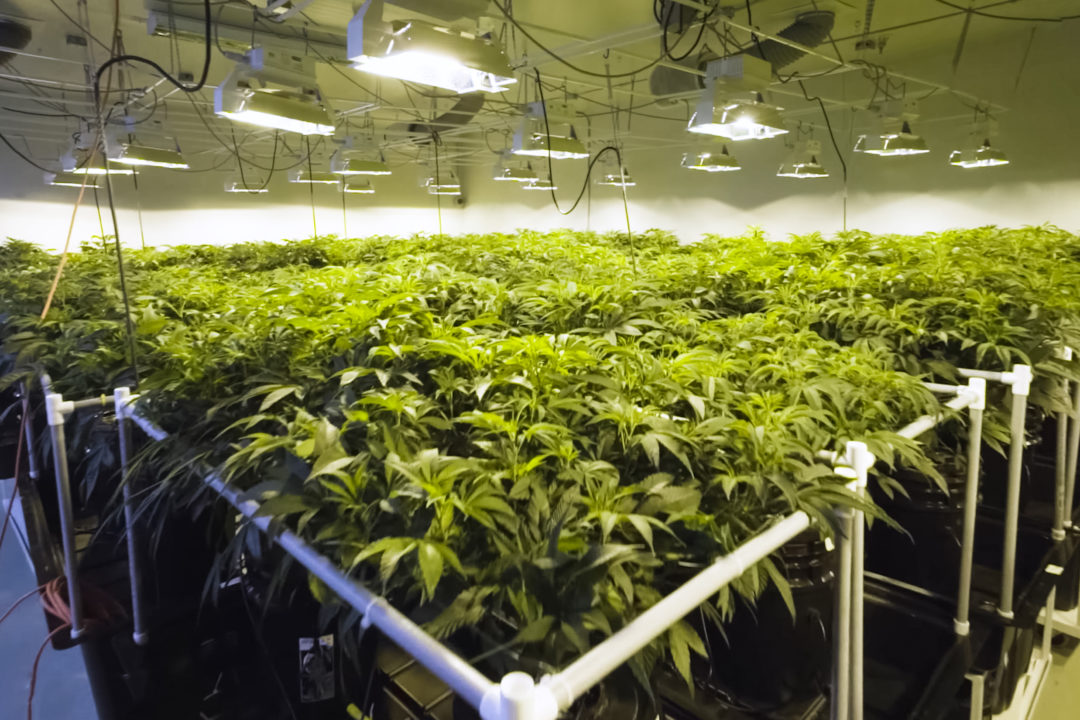
Soil is the most traditional medium for growing weed indoors, as it is a forgiving option for those just getting started. However, high-quality potting soil must be used to get the best results; a cheap or artificial blend that contains extended-release fertilizer like Miracle Grow should be avoided.
The addition of beneficial mycorrhizae and soil bacteria will also help convert organic matter into easily accessible nutrients for the plant.
Finding The Right Soil For Cannabis
Finding the right soil for cannabis is incredibly important for any gardener, especially if it’s the first time cultivating. We recommend purchasing pre-fertilized soil or creating your mix of worm castings, bat guano, and other components to get your plants off to a healthy start.
Super-soil can provide enough nutrition to get your plants through most of their growth cycles without needing more nutrients or liquid feed. When you’re shopping for soil, make sure to consider the type of soil structure you’re looking for as well as any additional nutrients and microorganisms that might be needed to improve it.
Hydroponics
Hydroponics is a soil-less method of growing plants. By suspending the cannabis roots in water, it enables them to access the nutrients that they need for growth directly. This greatly increases their ability to absorb and use those nutrients efficiently, resulting in healthier and more vibrant plants than those grown with traditional methods in soil.
There are many benefits to hydroponic systems, one of the most well-known being that it is thought to produce bigger buds of higher potency than plants grown in soil. One advantage of this is that with continued maintenance, optimal results can be achieved easier than ever before.
Growing Containers
For those looking to start growing plants in containers, the type of container used will vary depending on the grow medium, system needed, and size of the plants. Standard plastic pots can be a cost-effective choice, while Smart pots and air pots have been designed to enhance airflow around the plant’s root zone.
These more advanced options are often pricier but provide higher-quality results for serious gardeners who want to maximize their yield. When choosing between different types of containers, it is important to factor in the environment — for instance, clay and ceramic vessels retain moisture better than plastic so are best suited for dry regions with limited humidity.
Caring For Your Indoor Cannabis Plants
Indoor cannabis plants require dedicated care and attention to thrive and produce potent, high-quality buds. From proper watering techniques to optimizing light and nutrient intake, this guide will equip you with the knowledge and skills necessary to nurture healthy, resilient cannabis plants indoors.
Watering
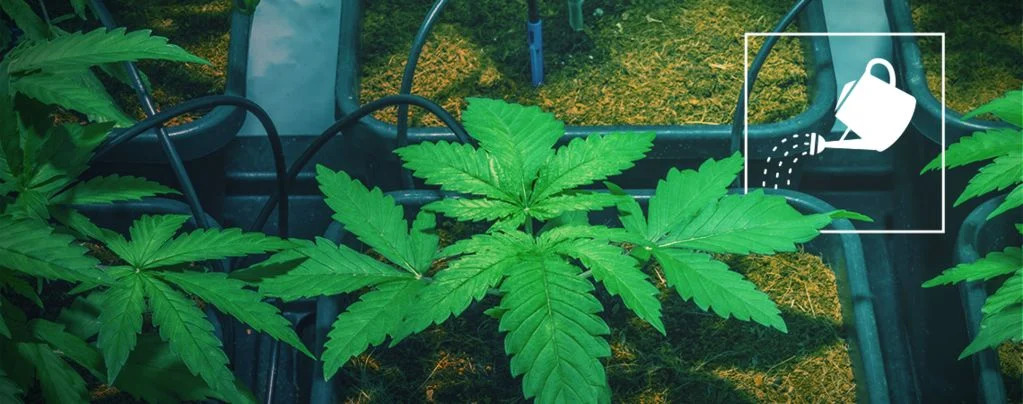
When growing cannabis, you must provide your plants with the best environment possible. One way to achieve this is by providing a quality source of water for them. Generally speaking, water from your tap should be just fine so long as it’s safe to drink and you only have a few plants. This means that you don’t necessarily need to purchase expensive distilled or filtered water if your tap water is clean enough.
If however, you want extra assurance that the dissolved salts in the water are within an acceptable level, then you can invest money in an EC (electrical conductivity) meter which measures precisely that. As a good benchmark, plain water should have a level of between 50-300 ppm (parts per million).
Nutrients
When it comes to using nutrients for your weed plants, you’ll need to ensure that you have the right plan when it comes to the water-to-nutrient ratio. The first step is to estimate how much water your plants will need so you can mix in the appropriate amount of nutrients. It’s important not to be too generous with the watering, doing so can lead to overwatering which can ultimately damage your weeds.
Check For Pests, Mold, Or Nutrient Deficiencies
It is important to regularly inspect your cannabis plants for pests, mold, and nutrient deficiencies. Start by looking for common signs of pests such as webbing, patches of mold, or discoloration on the leaves and stalks.
Check both the topsides and undersides of leaves as well, since spider mites tend to live on the underside. Don’t neglect your soil either; it is another prime habitat for many pests. When checking the soil, you should be looking out for insects like fungus gnats, caterpillars, and root aphids that can quickly cause harm to your crops if left unchecked.
More: Different Types of Cannabis Deficiencies.
Equipment
When running an efficient and effective grow space, it is important to make sure all of the equipment is in good working order. First of all, we must check that every device has power and no breakers have flipped. This goes for anything that plugs into the wall as well as any batteries or other types of power sources.
Each piece of equipment is kind of like organs in a living body – if one fails, eventually the others will work harder and also suffer from fatigue or won’t be able to keep up with whatever they need to do. We should check lights, timers, fans, dehuys (dehueys), ACs (air conditioners), and any other electrical apparatus that helps us in our day-to-day operations.
More: How To Grow Weed With Reverse Osmosis Water?
Daily Maintenance Checklist For Your Indoor Marijuana Grow
Having a successful indoor marijuana grow requires daily maintenance to ensure the health of your plants. A daily maintenance checklist should incorporate tasks to keep your growth running at optimal conditions.
The first step is to water the plants and check the pH of the water. This will ensure that the plants are getting adequate hydration and nutrients, as well as remove any toxins in the soil or nutrient mix. It’s also important to regularly examine both your plant’s foliage and soil for signs of pests, mold, or nutrient deficiencies so you can quickly identify and address any potential problems.
Additionally, it may be necessary to prune or remove dead leaves on your plants if needed. To encourage healthy growth, pay attention to whether the plants need topping off or not for proper spacing between each other and make sure none of them are shading one another out too much. Finally, lights should be adjusted if leaf tips are starting to look burned from too much direct sunlight exposure.
Indoor Cannabis Grow Timeline
Marijuana is a versatile plant, and the growth timeline can vary depending on the type of cannabis seeds used, the techniques employed, and the growing environment. With regular indoor growing, it can take anywhere between 10-32 weeks to produce a healthy crop of cannabis buds.
The growth process begins with germination, which takes anywhere from 3-10 days. During this stage, the marijuana seeds develop their tiny root system while beginning to sprout a stem and two cotyledon leaves. Following germination comes the cannabis seedling stage which lasts for 2-3 weeks where the plant continues to grow until it develops its iconic serrated edges and new sets of true leaves.
Next is the vegetative stage lasting from 3-16 weeks where marijuana plants are rapidly gaining height, begin to grow upward more densely, and produce copious amounts of fan leaves. Lastly comes flowering where substantial flower buds will develop over an 8-11 week period ready for harvest when there are more trichomes than pistils present. After that point harvesting can occur, followed by curing which generally will take another few weeks before you get to smoke what you’ve grown!
Growing cannabis indoors, step by step
The sections above cover the room and the kit. These cover the plant, in the order you will meet each stage.
Check Your Local Cannabis Cultivation Laws
Before starting an indoor cannabis garden, confirm that home cultivation is permitted where you live.
Cannabis laws can vary between countries, provinces, states, territories, municipalities, rental properties, and residential buildings. Rules may cover plant limits, seed sources, electrical modifications, odour control, visibility, fire safety, and access by children or pets.
In Canada, Health Canada advises home growers to follow all applicable provincial, territorial, municipal, building, electrical, and fire-safety requirements. It also recommends proper ventilation to remove excess humidity and reduce the risk of mould.
This guide is intended for adults cultivating cannabis where doing so is legal.
Choose the Right Cannabis Seeds
Genetics influence plant height, flowering time, aroma, structure, environmental tolerance, and overall growing difficulty. Choosing suitable seeds is therefore one of the most important parts of learning how to grow cannabis indoors.
Growers preparing their first indoor garden can start by exploring cannabis seeds for beginners. This collection can help narrow the selection to genetics that are generally more manageable for less-experienced cultivators.
There are three common seed categories to consider.
Feminized marijuana seeds are bred to produce female plants in most cases. Growers control when photoperiod varieties begin flowering by changing the daily light schedule. They are a popular choice for indoor cultivation because the vegetative period can be extended until the plants reach the desired size.
Autoflower marijuana seeds begin flowering primarily according to age rather than a major change in day length. They are often compact, fast-growing, and well suited to small tents, limited spaces, and growers who prefer a simpler lighting schedule.
Regular seeds can produce male or female plants. Growers who want seedless flowers must identify and remove male plants before pollen is released.
When selecting a strain, consider the available ceiling height, tent dimensions, experience level, desired flowering time, and ability to control humidity. Compact or medium-sized plants are generally easier to manage in small indoor spaces.
Understand Cannabis Light Cycles
Photoperiod cannabis plants use the duration of light and darkness as a signal for vegetative growth and flowering.
A common indoor schedule for photoperiod plants is:
Vegetative stage: 18 hours of light and 6 hours of darkness
Flowering stage: 12 hours of light and 12 hours of uninterrupted darkness
Scientific reviews describe long daily photoperiods of at least approximately 16 hours as a common way to maintain vegetative growth. A 12-hour light and 12-hour dark schedule is widely used to induce flowering, although cultivar responses can vary.
Autoflowering plants do not require a switch to 12 hours of darkness. Many indoor growers keep autoflowers under a consistent long-day schedule throughout the grow.
Use a reliable timer so the schedule remains consistent. During photoperiod flowering, avoid light leaks and interruptions during the dark period.
Germinate Your Cannabis Seeds
Cannabis seeds can be germinated directly in a lightly moistened growing medium or started with another carefully controlled germination method.
The environment should be warm, clean, and moist but not soaked. Once the root emerges, handle the seed gently and avoid touching the young root.
Plant the germinated seed shallowly with the root pointing downward. Keep the medium evenly moist during early development, but do not saturate the entire container every day.
Seedlings initially need gentle light. Excessive intensity can stress young plants, while insufficient light can cause them to stretch and develop weak stems.
Care for Cannabis Seedlings
The seedling stage begins after the first leaves appear. Young cannabis plants have small root systems and require less water than established plants.
Keep air moving gently around the seedlings, but do not aim a powerful fan directly at them. Mild movement can help strengthen stems, while excessive airflow can dry young plants too quickly.
Seedlings generally prefer more humidity than mature flowering plants. However, stagnant and constantly wet conditions should still be avoided.
A cultivation review reported approximately 75% relative humidity for juvenile plants at 25°C, with lower levels during later growth. Treat this as a reference rather than a universal target because genetics, airflow, temperature, growing medium, and room design all affect plant response.
Avoid heavy feeding during this stage. Many commercial growing mixes already contain enough nutrition for early development.
Manage the Vegetative Stage
During the vegetative stage, cannabis plants focus on producing roots, stems, branches, and leaves.
Photoperiod plants can remain in vegetative growth until the grower changes the light schedule. This gives indoor cultivators time to shape the canopy and determine the plant’s final size.
Maintain consistent lighting, moderate airflow, and enough distance between plants for air to circulate. Rotate containers when necessary so all sides receive balanced light.
This is also the main stage for plant training. Common techniques include:
Low-stress training: Branches are carefully bent and secured to create a wider, more even canopy.
Topping: The main growing tip is removed so the plant develops multiple dominant branches.
Screen of Green: Branches are guided through a horizontal net to distribute growth across the available area.
Selective pruning: Weak lower growth that receives very little light is removed gradually.
Avoid performing too many stressful procedures at once. Healthy plants recover more easily than plants that are already overwatered, underfed, overheated, or affected by pests.
Monitor Root-Zone pH
Incorrect pH can prevent plants from absorbing available nutrients, creating symptoms that resemble a fertilizer deficiency.
Published recommendations vary, but a scientific cultivation review cited irrigation-water ranges of approximately 6.5 to 7.2 for soil and 5.8 to 6.0 for hydroponic production. The same review noted that ideal values are not identical for every strain or growing system.
For a beginner garden, consistency is often more important than trying to correct every tiny fluctuation. Test the water after nutrients have been mixed and periodically check the root zone if unexplained symptoms appear.
Transition Photoperiod Plants Into Flowering
Before changing the lights to a flowering schedule, confirm that the plants have enough room to expand. Many cultivars stretch considerably during the early flowering period.
Check that:
The canopy is reasonably even
Branches are supported
Plants are free of serious pests
The ventilation system can control humidity
There is enough distance between the canopy and light
The dark period will not be interrupted
After switching to a 12-hour light cycle, inspect the plants regularly for early flowers. When growing regular seeds, identify and remove male plants before they release pollen unless seed production is intended.
Feminized seeds greatly reduce the likelihood of male plants, but every garden should still be inspected carefully.
Care for Cannabis During Flowering
During flowering, plants become more sensitive to excessive humidity, poor airflow, light leaks, and major environmental changes.
Avoid heavily spraying flowers with water. Keep air circulating through the canopy and remove dead leaves before they begin decomposing.
Support heavy branches with stakes, ties, or a trellis. Inspect the centre of developing flowers for discoloured leaves, unusual softness, or signs of mould.
Nutrients should still be applied carefully. More fertilizer does not automatically produce larger flowers. Overfeeding can damage roots and reduce the plant’s ability to use water and nutrients effectively.
Know When Cannabis Is Ready to Harvest
Flowering time estimates supplied by breeders are useful planning tools, but plants should also be examined directly.
Common signs of maturity include swollen flowers, reduced production of new white pistils, fading leaves, and changes in the appearance of resin glands.
A small magnifying tool or digital microscope can be used to inspect trichomes. Growers commonly wait until most trichomes are no longer clear, but the preferred harvest point depends on genetics and personal goals.
Do not harvest solely because a certain number of days has passed. Environmental stress, plant health, phenotype, and light intensity can all affect maturation.
Dry and Cure the Harvest
Drying too quickly can produce brittle flowers with a harsh aroma, while drying too slowly in an unsuitable environment can encourage mould.
Remove large fan leaves and hang branches or whole plants in a dark, clean, ventilated area. Air should circulate through the room without blowing forcefully against the flowers.
Once the smaller stems begin to bend and snap rather than fold easily, the flowers can be trimmed and transferred to clean containers for curing.
During early curing, inspect the containers regularly. Flowers that feel wet, soft, or excessively compressed need more drying time before being sealed again.
Store finished cannabis securely away from children, pets, heat, moisture, and direct light.
Common Indoor Cannabis Growing Mistakes
New growers frequently encounter problems that can be prevented with a simple routine.
Overwatering: Allow the root zone to partially dry before watering again.
Excessive fertilizer: Start with a mild feeding concentration and increase only when necessary.
Poor airflow: Use both air circulation and proper exhaust ventilation.
Weak lighting: Match the grow light to the size of the canopy.
Light stress: Follow the fixture manufacturer’s hanging recommendations and watch leaf response.
Ignoring pH: Test the nutrient solution when deficiencies appear unexpectedly.
Overcrowding: Give plants enough room for airflow and inspection.
Changing too many variables: Adjust one major factor at a time so the results can be evaluated.
Harvesting too early: Examine flower development and trichomes instead of relying only on the calendar.
Neglecting cleanliness: Remove spills, plant debris, contaminated tools, and standing water promptly.
Remember: Always Keep Things Clean!
In summary, maintaining cleanliness and sanitation in your indoor grow room is vital to ensure healthy plant growth, prevent the spread of disease and pests, and produce high-quality yields. By implementing regular cleaning routines, such as disinfecting tools and surfaces, you can create a thriving and sustainable growing environment for your indoor plants. Remember, a clean grow room is a happy grow room!
Frequently asked questions
Is growing cannabis indoors difficult?
Indoor cultivation can be manageable for beginners when the garden is kept small and simple. The grower must consistently monitor lighting, watering, temperature, humidity, airflow, and plant health.
What is the best cannabis seed for an indoor beginner?
Compact feminized or autoflowering genetics are often easier to manage in a small indoor space. The best choice depends on available height, desired growing time, and the amount of control the grower wants over the vegetative stage.
Do indoor cannabis plants need complete darkness?
Photoperiod plants need a consistent, uninterrupted dark period during flowering. Autoflowering plants do not depend on the same major light-cycle change.
How often should indoor cannabis plants be watered?
Watering should be based on plant demand and medium moisture rather than a fixed schedule. Container weight, plant size, airflow, temperature, and the growing medium all affect how quickly the root zone dries.
Can cannabis grow under ordinary household lights?
A seedling may survive temporarily under a basic household light, but healthy development and productive flowering normally require a horticultural fixture designed to provide sufficient intensity across the growing area.
How many cannabis plants should a beginner grow?
Start with a small number that can be inspected individually. The legal plant limit, available floor space, light coverage, container size, and expected plant structure must all be considered.
Do indoor cannabis plants need fresh air?
Yes. Plants need air exchange, and the room must release accumulated heat and humidity. Internal circulation fans alone do not replace an effective exhaust and intake system.