
 Français
 The Perfect Time to Harvest Outdoor Cannabis Plants: A Complete Grower’s Guide
A note on the numbers in this article: harvest dates, flowering times and yields are ranges, not promises. They vary depending on growing conditions: the grower, the method and the season's weather. "Mold resistant" means mold tolerant: less prone to mold and slower to be affected. No strain is 100% mold resistant. How we set these numbers →
Harvest time is one of the most exciting and critical moments in a cannabis grower’s journey. Outdoor growers especially must balance nature’s unpredictability with the science of optimal ripeness. If you want potent, flavorful, and high-yield marijuana, knowing exactly when to harvest is essential. Let’s dive into everything you need to know to nail the perfect harvest window for your outdoor cannabis plants.
Understanding Cannabis Maturity: When Is It Really “Ready”?
Outdoor cannabis plants typically reach maturity in early fall, between September and October, depending on location, strain, and weather conditions. While many growers follow a rough calendar schedule, visual cues are far more accurate and reliable.
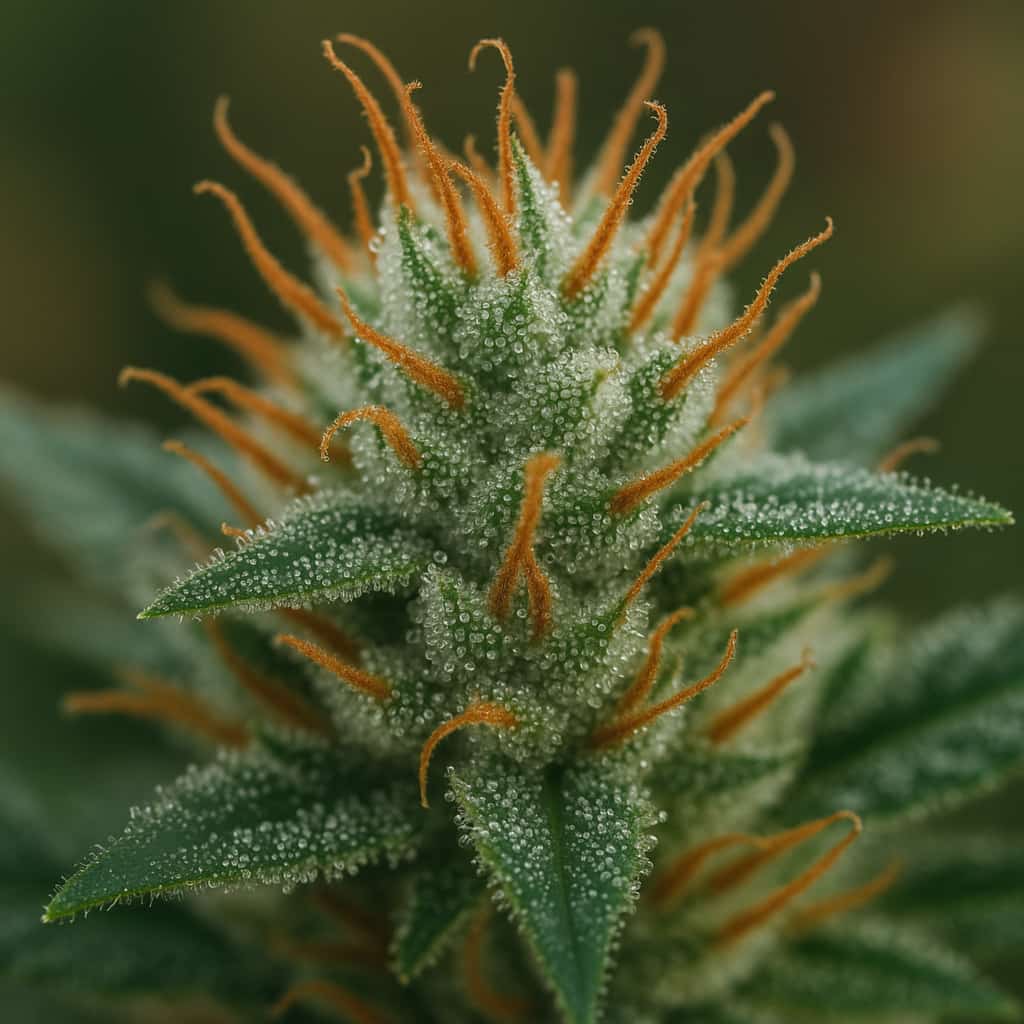
The two most important indicators of cannabis ripeness are trichomes and pistils.
Trichomes: The Microscopic Markers of Potency
Trichomes are the tiny, glistening resin glands that coat your buds and sugar leaves. They’re responsible for producing cannabinoids like THC and CBD, as well as terpenes, which affect flavor and aroma.
Using a magnifier, such as a jeweler’s loupe or handheld microscope, examine the head of each trichome:
- Clear trichomes: The plant is still immature; harvesting now will result in low potency and harsh smoke.
- Milky/cloudy trichomes: Peak THC levels. The ideal time to harvest for a more euphoric, heady high.
- Amber trichomes: THC begins to degrade into CBN, providing more sedative effects. Harvest now if you want a body-heavy, couch-lock experience.
Ideal Window: When 90% of trichomes are milky and 10% are amber—this is the sweet spot for maximum potency and balanced effects.
Pistils: Visible Signs of Flower Ripening
Pistils are the tiny, hair-like structures protruding from your cannabis buds. Initially white and straight, they change as the plant matures.
- Early Stage: Pistils are straight and bright white.
- Mid Stage: Pistils begin to darken (orange, red, or brown) and curl inward.
- Late Stage: Most pistils are dark and curled—this is a sign the plant is finishing its life cycle.
Harvest when 50–70% of pistils are dark and curled in, which usually aligns with the ideal trichome development.
Bud Density and Texture
A third, less technical (but still helpful) indicator of ripeness is bud firmness. Ripe cannabis flowers should feel tight, dense, and sticky to the touch. Fluffy, airy buds typically signal that the plant still needs time to develop, or that something went wrong in flowering.
Press gently on a few buds. If they’re spongy or collapse under light pressure, wait another week.
Timing with the Weather: A Crucial Harvest Variable
Outdoor cannabis is at the mercy of the elements. Even if trichomes and pistils look perfect, weather risks can force an early harvest. You don’t want to lose your crop to mold, frost, or storm damage.
Watch out for:
- Heavy rain: Leads to bud rot and mildew.
- Frost warnings: Freezing temperatures can kill plants overnight.
- Extended cloudy periods: Decrease terpene production and resin development.
Pro Tip: If there’s a storm or cold snap in the forecast and your plants are close to ready, harvest a few days early to preserve quality.
Best Time of Day to Harvest Cannabis
Timing isn’t just about the day—it’s also about the time of day. Early morning, just before sunrise, is considered the best time to harvest outdoor cannabis.
Here’s why:
- Terpene levels are highest and most aromatic in the early hours.
- Plant starches and sugars are at their lowest, leading to a smoother smoke.
- Humidity is lower before the sun heats the dew.
Harvesting in the cool morning helps preserve flavor, aroma, and reduces drying complications.
Strain-Specific Harvest Windows: Indica vs. Sativa vs. Autoflower
Not all cannabis strains mature at the same rate. Understanding your plant’s genetics helps predict the ideal harvest window.
Indica Strains
- Typically flower for 7–9 weeks.
- Mature faster due to their origins in cooler climates.
- Often ready for harvest by late September.
Sativa Strains
- Flowering period is longer, around 10–12 weeks.
- Need more sun and warmth to fully mature.
- Usually harvested in early to mid-October, depending on region.
Autoflowering Strains
- Begin flowering automatically after 2–4 weeks of vegetative growth.
- Total lifespan is around 8–12 weeks from seed to harvest.
- If planted in early spring, they may be ready by early summer, allowing for multiple harvests per year.
Know your strain's average flowering time and always compare it to visual cues for best results.
Regional Growing Conditions and Harvest Adjustments
Where you live affects when and how you harvest.
Northern Climates (e.g., Canada, Northern US)
Shorter growing season, early frosts
Focus on fast-flowering strains
Harvest window: mid-to-late September
Mediterranean/Temperate Climates (e.g., California, Southern Europe)
Long, warm autumns give flexibility and extended flowering
Harvest window: late September to mid-October
Tropical Climates
- Less of a distinct harvest window
- Sativas thrive with longer flowering schedules
- Multiple cycles possible year-round with proper timing
Always adjust your harvest schedule based on your local environment.
What to Avoid: Common Harvest Mistakes
Even experienced growers can make costly errors at harvest time. Here are the top mistakes to avoid:
- Harvesting too early: Weak effects, reduced weight, undeveloped flavor.
- Harvesting too late: Overripe buds lose THC potency and become more sedative.
- Harvesting wet plants: Increases risk of mold and slows down drying.
- Harvesting without checking trichomes: Guessing isn’t worth the gamble.
Always double-check trichomes and pistils, and don’t be afraid to let the plant finish naturally—unless weather forces your hand.
Pre-Harvest Tips to Maximize Quality
Want your buds to look and smoke like premium dispensary weed? Follow these expert pre-harvest steps:
- Stop watering 1–3 days before harvest: Encourages resin production and faster drying.
- Flush your plants 1–2 weeks before harvest: Helps remove excess nutrients for a cleaner smoke.
- Avoid foliar sprays near harvest: Can increase moisture and contamination risk.
- Use a drying tent or controlled space: The work doesn’t end at harvest—drying and curing are just as important.
Tools Every Grower Needs at Harvest
Make your life easier and your harvest better with the right tools:
- Magnifying loupe (30x–60x): For accurate trichome inspection.
- Pruners and scissors: For clean, efficient cuts.
- Gloves: Prevents contamination and keeps hands resin-free.
- Drying rack or mesh hanger: To dry your buds evenly in a controlled environment.
- Hygrometer: Monitor humidity during drying and curing.
Summary: The Golden Rules for Harvesting Outdoor Cannabis
- Wait for 90% milky / 10% amber trichomes
- Ensure 50–70% of pistils are darkened and curled
- Monitor bud density and firmness
- Harvest early morning for best terpenes and smoothest smoke
- Check weather forecast—beat mold and frost
- Adjust based on strain type and local climate
- Use proper tools and harvest dry, not wet
Trust Your Eyes, Not Just the Calendar
Harvesting outdoor cannabis is both a science and an art. While calendar timelines help, visual inspection is the gold standard. Pay attention to trichomes, pistils, and your local climate—and your reward will be potent, flavorful, and high-quality marijuana.
When in doubt, check again. One extra day can make all the difference in potency, flavor, and yield. Remember: You only get one harvest per season, so make it count.
Frequently asked questions
How do I know when outdoor cannabis is ready to harvest?
Check two signs: trichomes and pistils. With a jeweler's loupe or handheld microscope, clear trichomes mean the plant is still immature, milky or cloudy trichomes mean peak THC, and amber trichomes mean THC is beginning to degrade into CBN. Pistils start straight and white, then darken and curl inward as the plant matures.
What do milky and amber trichomes mean?
Milky or cloudy trichomes mark peak THC and suit a more euphoric, heady high. Amber trichomes mean THC begins to degrade into CBN, giving more sedative effects.
What weather can force an early harvest?
Heavy rain leads to bud rot and mildew, frost warnings can kill plants overnight, and extended cloudy periods decrease terpene production. Even if trichomes and pistils look perfect, these risks can make you harvest early.
What are the most common harvest mistakes?
Harvesting too early (weak effects, reduced weight, undeveloped flavour), harvesting too late (buds lose THC potency and become more sedative), harvesting wet plants (more mould risk and slower drying), and harvesting without checking trichomes.
Is any strain fully mould resistant?
No. No strain is 100% mould resistant, so weather timing and airflow still matter even for mould-tolerant genetics.
General information, not medical or legal advice.