
 Français
 Cannabis cultivation is a fascinating journey. Understanding the role of male weed plants is crucial for growers. These plants play a vital part in the lifecycle of cannabis. Male weed plants are often misunderstood. Many growers focus on female plants for their buds. However, male plants have their own significance.
Identifying male plants early can prevent unwanted pollination. This is important for maintaining the quality of your crop—and it’s also why many growers choose feminized plants for flower production.
Knowing the difference between male and female plants is key. Male plants produce pollen sacs. These sacs are essential for breeding and seed production. Without them, creating new cannabis strains would be impossible.
The appearance of male plants is distinct. They are usually taller and have fewer leaves. Recognizing these traits can help in managing your garden. (More visual cues here: male vs female cannabis plants.)
Male weed plants contribute to genetic diversity. They introduce new traits into cannabis strains. This diversity is important for the evolution of cannabis. Despite their importance, male plants are often removed. This is to focus resources on female plants. But understanding their role can enhance your cultivation skills.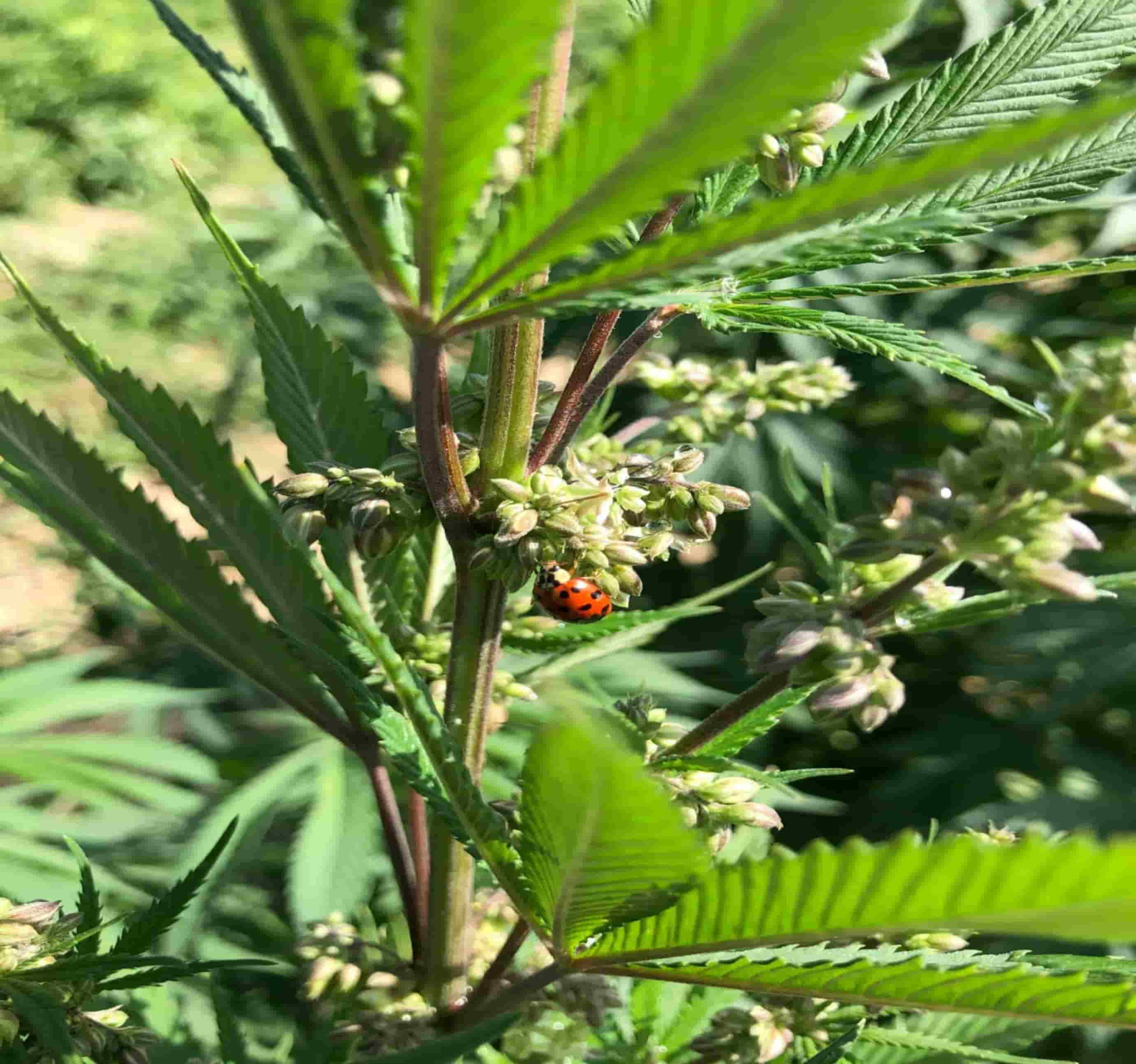
Summary
Male cannabis plants are essential for breeding and genetic diversity, producing pollen that fertilizes females and enables seed and new strain development. Early identification of males—taller structure, fewer leaves, and pollen sacs—prevents unwanted pollination that reduces bud quality and yield. While many growers remove males in production settings, they remain valuable for selective breeding and uses like fiber, terpene extraction, and soil improvement. This guide covers sex identification, lifecycle stages, risks and myths, and practical management tips for both sexes.
The Basics of Cannabis Plant Sex: Male vs Female
Cannabis plants have two main sexes: male and female. This sexual dimorphism is crucial for reproduction. Each sex has distinct reproductive roles.
Male plants produce pollen. The pollen from male plants fertilizes female plants. This process results in the production of seeds. In contrast, female plants develop buds. These buds contain the compounds most users seek.
Understanding these differences is essential for growers. Identifying the sex of cannabis plants early is important. Here are key characteristics to consider:
- Male plants: Taller with fewer branches.
- Female plants: Shorter, bushier, and develop pistils.
Male vs female cannabis plants can impact cultivation. Each type has unique growth patterns and needs. (Quick refresher: The difference between male and female cannabis plants.)
The differences between male and female pot plants extend beyond appearance. Recognizing these distinctions helps in maintaining a productive garden. Balancing the roles of both sexes supports successful breeding strategies.
Why Sexing Cannabis Plants Matters
Knowing whether a cannabis plant is male or female is vital for growers. This knowledge impacts the quality and yield of a harvest. Growers who understand plant sexing can better plan their cultivation strategies.
Unintended pollination from male plants can negatively affect female plants. It leads to seed production in buds, lowering their quality. (Related: Do male or female cannabis plants have seeds?.)
Identifying plant sex allows for controlled breeding. This is crucial for those looking to develop new strains. Understanding the differences between male and female plants aids in achieving specific breeding goals.
Consider the following reasons why sexing plants matters:
- Quality control: Reduces unwanted seed production in buds.
- Breeding: Enables the creation of new and desirable strains.
- Resource management: Focuses growth efforts on desired outcomes.
Effective sexing can maximize a grower's efforts. It allows for better use of space, nutrients, and time in cultivation. The result is a more efficient and successful cannabis garden.
What Does a Male Weed Plant Look Like?
Identifying a male weed plant involves specific visual cues. Male cannabis plants often appear taller than their female counterparts. They have a more slender and sparse structure.
Male plants typically have fewer leaves. This distinguishes them from bushier female plants. The nodes of a male plant feature small, round pollen sacs. These pollen sacs are crucial indicators of a male weed plant.
As they mature, they resemble tiny balls hanging at the nodes. These sacs eventually release pollen to fertilize female plants.
Another characteristic is that male plants usually develop earlier. This trait allows growers to identify and manage them promptly. Recognizing early growth patterns aids in distinguishing plant sex.
To summarize, a male weed plant usually has:
- Taller, slimmer structure: Often distinct from the bulkier female plant.
- Fewer leaves: Contributing to a more open appearance.
- Pollen sacs at nodes: Small balls that signal it's a male.
- Earlier development: Helps with quicker identification.
How to Tell if Your Plant is Male or Female: Early Signs and Identification
Identifying a cannabis plant's sex involves several observations. Early identification is crucial for maintaining control over your garden's results. Key markers develop at different stages of growth.
One of the initial signs appears at the plant's nodes. Male plants typically form small, oval-shaped pre-flowers. These will later develop into pollen sacs. Female plants, on the other hand, produce pistils. These are small white hairs that emerge from a bulbous structure.
Pistils are a clear indication of a female plant. Timing is also significant in sex determination. Male plants often show their sex before females. (More detail: male vs female pre-flowers and early signs.)
Here's a concise guide to identifying plant sex:
- Male Indicators: Pollen sacs (small balls near the nodes), early development (males often show sex sooner).
- Female Indicators: Pistils (white hairs from bulbous pods), later development (females show a bit later).
Differentiating the sex of cannabis plants is important for various reasons. It ensures that plants are used according to their intended purpose. Additionally, recognizing and removing male plants can preserve the potency of female plants.
The Lifecycle of Male and Female Pot Plants
Cannabis plants go through distinct stages, starting with germination. Each stage of life reveals more about the plant's sex and potential.
During the vegetative stage, plants focus on rapid growth. It is here that early sex characteristics may appear, like pre-flowers at the nodes. As plants transition to the flowering stage, sex becomes more apparent. (If you’re growing autos, this helps: flowering stage for autoflowers.)
The lifecycle of a cannabis plant typically follows this sequence:
- Germination: Seeds sprout and establish their root system.
- Vegetative Stage: Fast growth as the plant develops its structure.
- Pre-flowering: Early signs of sex start to show.
- Flowering: Distinct male or female features become visible, leading to reproduction.
- Harvest: Female buds are cultivated, or seeds are collected if pollination occurred.
The Role of Male Weed Plants in Breeding and Genetics
Male weed plants play an essential role in cannabis breeding, often overlooked by many growers. Their primary function in reproduction is producing pollen. This pollen fertilizes female plants, ensuring seed production and the continuation of the species.
Through selective breeding, male plants can introduce desirable traits into new cannabis strains. These traits might include resistance to pests, improved flavor profiles, or enhanced growth rates. By choosing specific male plants, breeders can enhance the genetic diversity and resilience of cannabis crops.
Commonly sought characteristics include:
- Strong growth patterns: Vigorous and healthy growth.
- Resilience: Resistance to diseases and pests.
- Aroma: Unique or potent scents.
- Structure: A balanced shape that can support large colas.
Uses for Male Marijuana Plants Beyond Breeding
While male marijuana plants are best known for breeding, their uses extend beyond reproduction. These plants offer a range of applications that may surprise many growers.
One significant use of male cannabis plants lies in industrial hemp production. Males produce strong fibers used in textiles, ropes, and paper. These fibers are valuable due to their durability and versatility.
The aromatic qualities of male plants can also be utilized. Male plants have terpenes, which contribute to their scent. These terpenes can be extracted for essential oils, used in perfumes or aromatherapy.
The root systems of male cannabis plants should not be overlooked. They can help improve soil structure when left to decompose. This contribution enhances the soil, making it more fertile for subsequent crops.
Risks of Male Plants in a Grow Room: Why Most Growers Remove Them
Male plants in a grow room pose significant risks to the cultivation of cannabis. Their presence can lead to unintended pollination, negatively impacting yields.
Unwanted pollination by male plants causes female plants to produce seeds. When this happens, the potency of the female plants decreases, affecting the quality of the cannabis. Growers must identify and remove male plants early to prevent pollination.
- Reduced potency: Pollinated female plants produce less potent flowers.
- Lower yield: Seed production diverts energy from flower development.
- Resource competition: Male plants take up space and nutrients without contributing to flower production.
Common Myths: Can You Turn a Male Plant Female?
A common myth in cannabis cultivation is transforming a male plant into a female. This notion has no scientific backing, despite its widespread discussion.
Several claims propose methods to change a male plant to female. Techniques often cited include hormonal treatments or stress methods. However, none of these methods reliably result in sex change.
- Hormonal sprays: No proven effects on sex change.
- Environmental stress: May harm plants rather than change sex.
- Nutrient adjustments: Do not affect plant sex.
Tips for Managing Male and Female Cannabis Plants
Effective management of cannabis plants starts with proper sex identification. Recognizing whether your plant is male or female early is essential. This knowledge helps in planning and resource allocation.
Monitor your plants closely during the pre-flowering stage. This period reveals their sex through distinct physical traits. Early detection allows you to segregate plants accordingly.
If you’re selecting genetics for your next run, these collections can help: feminized cannabis seeds and autoflower seeds.
- Weekly inspections: Identify sex as soon as possible.
- Separate by sex: Prevent accidental pollination.
- Maintain plant health: Tailor care to suit each sex's needs.
- Knowledge gain: Stay updated on best cultivation practices.
Conclusion: Embracing the Role of Male Weed Plants
Male weed plants play a vital role in cannabis cultivation. They contribute to genetic diversity and are essential for breeding programs. Without male plants, developing new cannabis strains would be impossible.
While growers often prioritize female plants for their buds, understanding male plants' significance is crucial. They offer opportunities for innovation and enhancement of cannabis genetics.
By embracing the presence of male weed plants, growers can achieve a balanced, thriving garden. Understanding their unique contributions can lead to more successful and dynamic growing operations. Their importance extends beyond just seed production, enriching the entire cannabis ecosystem.
Related reading from Quebec Cannabis Seeds
- The difference between male and female cannabis plants
- Do male or female cannabis plants have seeds?
- Do feminized cannabis plants produce seeds?
- Are autoflowering seeds always female?
- Best cannabis seeds to start with (USA home growers)
Frequently asked questions
What is the main role of a male weed plant?
Male cannabis plants produce pollen sacs that release pollen. This pollen fertilizes female plants, allowing them to make seeds and enabling breeders to create new strains.
How can I tell if my cannabis plant is male?
Look at the nodes (where branches meet the main stem). Male plants form small round “balls” (pollen sacs) instead of white hairs. Males also tend to grow taller and less bushy than females.
When do male plants show their sex?
Sex signs usually appear during the pre-flower stage, often a bit earlier in males than females. You’ll typically see pre-flowers at the nodes before full flowering begins.
Why do most growers remove male plants?
In bud-focused grows, male pollen can pollinate females. Pollinated females put more energy into seed production, which often reduces flower quality and potency.
Can one male plant pollinate an entire grow room?
Yes. Pollen is light and can spread quickly through airflow, fans, or ventilation. One mature male can potentially pollinate many female plants if not isolated early.
Do male cannabis plants produce buds?
Male plants do not produce the same resin-rich buds as females. They develop pollen sacs instead of flower clusters meant for harvest.
Are male plants “useless” if I’m not breeding?
Not necessarily. While they’re usually removed to protect flower quality, male plants can still be useful for fiber (hemp-style applications), compost/soil improvement, and sometimes terpene-related projects.
Can you turn a male cannabis plant into a female?
No reliable method exists to change a true male plant into a female plant. It’s best to focus on early identification and proper management rather than trying to force a sex change.
What happens if my female plants get pollinated?
The female plants will begin producing seeds, and flower development often changes. Many growers notice reduced flower density and lower overall “sinsemilla” quality when plants are seeded.
Should I keep a male plant if I want to make seeds?
If breeding or seed-making is your goal, you can keep a selected male—but isolate it carefully. Controlled pollination (rather than open pollination) helps you create seeds without affecting your entire crop.