
 Français
Colorful Weed Strains: What Color Really Means
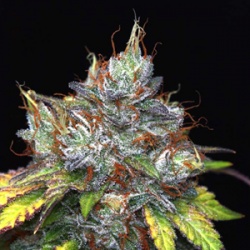
You're at the dispensary, staring at a rainbow of options among colorful weed strains (often described as colourful weed strains in the UK). One bud is deep purple, another bright green with fiery orange hairs. Does the color signal its potency? While the science behind these beautiful hues is fascinating, the color of a cannabis strain doesn't determine its strength. This guide explains why a strain looks the way it does and reveals the real secret to what shapes its effects, giving you the confidence to choose smarter and appreciate beautiful weed buds without overreading their color.
What Are Those Orange Hairs and Frosty Crystals?
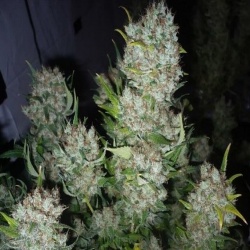
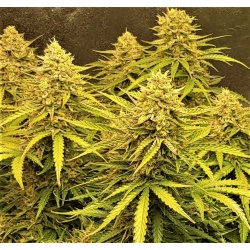
Two features you'll see on almost any cannabis bud—including the most colorful weed buds—are fiery orange hairs and a sparkly, crystal coating. Those vibrant hairs are called pistils, and they act as the plant's antennas to catch pollen. Their color—shifting from white to a deeper orange or red—is mostly a sign of maturity, not strength. A bud covered in dark orange hairs is simply a fully ripened flower.
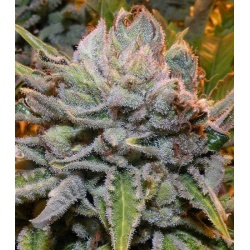
That beautiful frosty look isn't sugar; it's a dense layer of tiny, mushroom-shaped glands called trichomes. While pistils indicate ripeness, trichomes are where the magic happens. These microscopic factories produce the compounds cannabis is known for, including THC, CBD, and the terpenes that create the plant's unique aroma and effects. Simply put, a frostier-looking bud is a more potent one.
So while orange pistils signify a healthy, mature plant, the crystalline trichomes are the true source of its power. But what about the color of the actual leaves and flowers beneath all that frost?
The Secret Behind Purple, Blue, and Black Cannabis
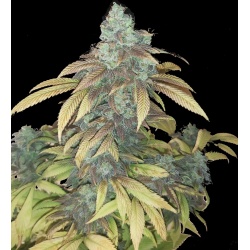
That stunning deep purple on some cannabis doesn't come from a dye. It comes from the same natural pigments that make blueberries blue and raspberries red. These pigments are called anthocyanins (an-tho-SY-a-nins). While most cannabis plants are green due to chlorophyll, some are genetically predisposed to produce these vibrant colors, sometimes selected from purple cannabis seeds, especially under the right conditions.
The biggest trigger for this color change is temperature. Just like fall leaves turn from green to red when the nights get chilly, a cannabis plant with the right genes will express beautiful purple, blue, or deep reddish hues when exposed to cooler temperatures during its flowering cycle. The color is a direct response to its environment. These eye-catching cultivars—sometimes casually called color weed strains—get their look from genetics and climate, not from extra strength.
This means a purple or nearly black cannabis strain, while incredible to look at, isn't a secret code for potency. It simply tells you that the plant had the genetic potential for color and was likely grown in a cooler climate.
Are Colorful Buds More Potent?
The straightforward answer is no. The anthocyanins that create stunning purple hues are completely separate from the compounds, like THC, that determine a strain's potency. A brilliantly green bud can easily be more powerful than a deep purple one, and vice-versa. Think of it like apples—the color of the skin doesn't tell you how sweet the fruit inside will be.
Judging a strain's strength by its color is a common but misleading shortcut. Those beautiful pigments are a bonus for the eyes, but they aren't responsible for the effects you feel. The color reveals a plant's genetic heritage and the cooler temperatures it grew in. So if color isn't the key, what determines a strain's effect?
If Not Color, What REALLY Determines a Strain's Effect?
The real magic behind a strain's unique effects comes from two families of invisible compounds. They are the true drivers of your experience, separating a sleepy strain from an energizing one.
- Cannabinoids (like THC and CBD) determine how strong a strain is.
- Terpenes are the aromatic oils that determine what the experience feels like. They're what give lemons their zing and lavender its calm. In cannabis, they steer the high toward being relaxing, focused, or giggly.
A strain's aroma is a much better clue to its effects than its color. A flower that smells like citrus is more likely to feel uplifting, while one with a piney scent might be more grounding. Instead of just looking for a pretty color, you can appreciate a strain for its unique scent profile—the true story of the effects hidden within.
A Visual Guide to Famous Colorful Strains
Some strains have become legendary for their stunning appearance and provide a perfect, real-world look at these concepts.
Here are a few famous examples:
- Granddaddy Purple: One of the best-known purple weed strains, it's famous for deep violet hues caused by anthocyanins, often encouraged by cooler growing temperatures.
- Agent Orange: Known for an abundance of fiery orange pistils that nearly coat the green buds, giving this popular strain its signature look and name.
- Blue Dream: The name hints at its appearance; blue weed strain genetics often lead to subtle blue-violet shades, another example of anthocyanins at work.
How to Choose Your Next Strain (Hint: It's Not by Color)
Now you see the story of a plant's genetics and its environment in its colors, not a mystery. A beautiful purple hue is more like a suntan than a secret code for its effect. This knowledge is your new guide to choosing cannabis.
Appreciate the colors for their beauty, but let your nose and a smarter question lead your choice. Instead of asking if purple is 'stronger,' ask your budtender, 'What are the terpenes in this?' That's the real secret to finding the experience you want among colorful weed strains.