
 Français
How to Increase Trichome Production in Cannabis: A Complete Grower’s Guide
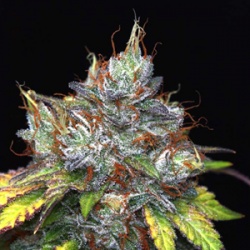
If you want cannabis flowers covered in a thick layer of sparkling resin, understanding how to increase trichome production is one of the most important parts of improving overall flower quality.
Trichomes are the tiny, crystal-like resin glands found primarily on cannabis flowers and sugar leaves. They produce and store many of the plant’s cannabinoids, terpenes, and other aromatic compounds. A plant with abundant, healthy trichomes often develops the frosty appearance and strong aroma growers associate with high-quality cannabis.
However, producing more trichomes is not as simple as adding a special booster during the last two weeks of flowering. Genetics, lighting, plant health, nutrition, environmental stability, flowering conditions, and harvest timing all play a role.
This guide explains how to maximize your plant's natural potential for resin and trichome development without relying on questionable growing myths.
What Are Cannabis Trichomes?
Cannabis trichomes are microscopic structures that develop on the surface of flowers, sugar leaves, and, to a lesser extent, other parts of the plant.
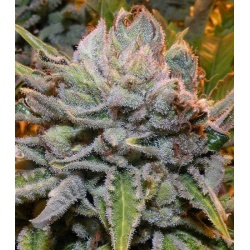
When viewed without magnification, they appear as tiny crystals or a layer of frost. Under a jeweller's loupe or microscope, mature glandular trichomes look more like small mushrooms, with a stalk supporting a rounded resin head.
These resin glands are especially important because they are major sites of cannabinoid and terpene production.
As flowering progresses, trichomes become increasingly visible and typically transition from:
- Clear
- Cloudy or milky
- Amber
These changes are also useful for determining cannabis maturity and choosing the right harvest window.
1. Start With Genetics That Produce Heavy Trichomes
The most important factor in trichome production begins before your plants ever enter the grow room.
It starts with genetics.
Some cannabis cultivars naturally produce significantly more resin than others. This is why certain strains appear almost white with trichomes while others remain comparatively less frosty even when both are grown under excellent conditions.
Environmental improvements can help a plant reach its genetic potential, but they cannot completely overcome poor genetics.
When choosing cannabis seeds for resin production, look for cultivars known for characteristics such as:
- Heavy resin production
- Frosty flowers
- Strong terpene profiles
- Dense trichome coverage
- Stable flowering characteristics
- Proven parent genetics
A healthy plant grown from strong genetics gives you the foundation needed for excellent trichome development.
2. Provide Strong, Appropriate Lighting
Light is one of the biggest environmental factors influencing flower development.
Cannabis needs sufficient photosynthetically active radiation to perform photosynthesis and build the carbohydrates required for vigorous flowering.
Modern full-spectrum LED grow lights are particularly effective because growers can provide substantial light intensity while controlling heat more easily than with many older lighting technologies.
However, more light does not automatically mean better results.
Excessive light can cause:
- Leaf bleaching
- Heat stress
- Foxtailing
- Reduced photosynthetic efficiency
- Leaf curling
- Nutrient problems
- Damaged flowers
The goal should therefore be maximum useful light without creating chronic plant stress.
Good canopy management also matters. Plants with an uneven canopy may have extremely bright light hitting the tallest flowers while lower flowers remain shaded.
Training plants earlier in their life cycle can help create a flatter canopy and improve light distribution across more flowering sites.
For a complete overview of lighting, airflow, temperature, humidity, and indoor grow-room management, read the QCS How to Grow Cannabis Indoors – Full Guide.
3. Don't Assume UV Light Automatically Produces More Trichomes
One persistent cannabis-growing theory claims that exposing flowering plants to UV light forces them to produce large quantities of additional resin as protection from ultraviolet radiation.
The reality is more complicated.
Research examining indoor-grown cannabis found that adding ultraviolet radiation did not significantly increase inflorescence yield or cannabinoid concentrations under the conditions tested. Researchers observed some differences in leaf trichomes, but the effect did not translate into a meaningful increase in flower cannabinoid concentration.
That doesn't mean spectrum is irrelevant. It means growers should not assume that simply installing a UV lamp will magically cover their flowers with additional resin.
A well-designed primary grow light and proper overall light intensity should come first.
4. Maintain Healthy Plants Throughout Vegetative Growth
Heavy trichome production during flowering begins with healthy plants during vegetative growth.
A plant entering flower with nutrient deficiencies, damaged roots, pest problems, or major environmental stress must spend energy recovering instead of directing all its resources toward flower development.
During vegetative growth, focus on building:
- A healthy root system
- Strong branches
- Vigorous foliage
- Good plant structure
- An even canopy
- Proper airflow
Correct problems early rather than waiting until flowering.
Once plants begin producing dense flowers, major corrective treatments become more difficult.
5. Give Plants Balanced Nutrition
Cannabis requires adequate nutrition to support vigorous flower and resin development, but more fertilizer does not automatically produce more trichomes.
Overfeeding plants can create nutrient burn, salt accumulation, nutrient antagonism, root-zone problems, and reduced plant performance.
Plants need an appropriate balance of:
- Nitrogen
- Phosphorus
- Potassium
- Calcium
- Magnesium
- Sulfur
- Micronutrients
Nutrient requirements also change throughout the plant's development.
During flowering, plants generally require a different nutritional balance than during vigorous vegetative growth. However, growers should be cautious about aggressively increasing phosphorus and potassium simply because a product is advertised as a "bud booster."
Extremely high nutrient concentrations can cause more problems than they solve.
The best approach is to maintain healthy root-zone conditions, monitor the plants, and make gradual adjustments.
For more detailed information, see the QCS guide to Best Fertilizers for Cannabis: EC/pH Targets and Feeding.
6. Keep Temperature Under Control
Temperature can have a major influence on overall flower quality.
Excessive heat during flowering can stress plants and contribute to faster loss of volatile aromatic compounds. Extremely hot conditions can also reduce photosynthesis and interfere with normal plant development.
Maintaining a reasonably stable environment is generally more useful than intentionally creating dramatic temperature swings.
Pay particular attention to canopy temperature directly beneath your grow lights.
The temperature measured at floor level may be significantly different from conditions surrounding the tops of your plants.
Proper ventilation, air conditioning when necessary, and adequate spacing between lights and the canopy can all help prevent excessive heat.
7. Manage Humidity During Flowering
Humidity becomes increasingly important as cannabis flowers become larger and denser.
High humidity combined with dense flowers and inadequate airflow creates an environment where fungal diseases such as Botrytis can develop.
Extremely dry conditions, on the other hand, can place unnecessary stress on plants.
Many indoor growers gradually reduce relative humidity as plants move deeper into flowering, frequently maintaining approximately 40–50% relative humidity during later flowering, depending on cultivar, room temperature, flower density, and airflow.
Rather than chasing one perfect number, concentrate on preventing:
- Large humidity fluctuations
- Condensation
- Stagnant air
- Wet flowers
- Excessive nighttime humidity
- Dense pockets of humid air within the canopy
Good airflow should move gently through and above the canopy without constantly blasting flowers with a powerful fan.
8. Avoid Excessive Stress During Flowering
Growers sometimes deliberately stress cannabis because of the theory that a threatened plant will protect itself by producing additional resin.
This has led to techniques involving:
- Severe drought
- Stem damage
- Ice water
- Extreme temperature changes
- Intense UV exposure
- Splitting stems
- Extended darkness before harvest
Many of these techniques have weak or inconsistent evidence behind them.
Water stress is a good example.
Studies have produced different results depending on cultivar, growth stage, and severity of drought. More recent research has shown that severe drought can actually decrease flower yield and cannabinoid concentrations, while responses to moderate stress can vary considerably.
That means intentionally allowing plants to become severely dehydrated is not a reliable shortcut to more trichomes.
For most home growers, keeping plants healthy and minimizing major stress is the safer strategy.
9. Maintain a Healthy Root Zone
You may be trying to increase trichomes on the flowers, but don't forget about the roots.
Roots supply the water and minerals needed for photosynthesis, growth, flowering, and secondary metabolite production.
Poor root health can quickly affect the rest of the plant.
Avoid:
- Chronic overwatering
- Severely compacted growing media
- Poor drainage
- Standing water
- Extreme root-zone temperatures
- Excess fertilizer salts
- Large pH swings
Whether you're growing in soil, coco, or hydroponics, a healthy root system helps the plant maintain steady growth through the critical flowering period.
10. Protect Trichomes Once They Develop
Increasing trichome production is only half the job.
You also need to protect the trichomes already on your flowers.
Trichome heads are delicate and can be damaged or removed through excessive physical handling.
During late flowering and harvest:
- Avoid unnecessarily touching flowers.
- Handle branches instead of squeezing buds.
- Keep tools clean.
- Avoid spraying flowers unless absolutely necessary.
- Protect flowers from excessive heat.
- Avoid unnecessary exposure to intense light after harvest.
Once a trichome head has been physically broken away from the flower, the plant cannot replace it after harvest.
Gentle handling therefore becomes increasingly important as plants approach maturity.
11. Give Plants Enough Time to Finish Flowering
One of the easiest ways to lose potential resin quality is harvesting too early.
Trichomes continue developing and changing throughout flowering.
Early trichomes usually appear clear. As the flowers mature, many become cloudy or milky before some eventually turn amber.
If you harvest while most trichomes are still immature and transparent, the flowers may not have reached their full cannabinoid and terpene potential.
Don't rely solely on the breeder's estimated flowering time.
Instead, inspect your flowers with:
- A 30x–60x jeweller's loupe
- A handheld digital microscope
- A phone macro lens
- Another suitable magnification tool
Look at trichomes on the flowers themselves rather than only the sugar leaves, since trichomes on small leaves can mature earlier.
For a detailed explanation of clear, cloudy, and amber trichomes, see QCS's Optimal Cannabis Harvest Timing: Trichomes & THC Guide.
12. Don't Expect a Last-Minute Trichome Booster to Fix the Grow
There is no substitute for healthy plants.
If your plants have suffered from poor lighting, nutrient problems, pests, excessive heat, root damage, or severe stress for most of flowering, adding a special product during the final week is unlikely to suddenly transform the crop.
Think of resin production as the result of the entire growing cycle.
Good trichome production comes from stacking multiple advantages:
Good genetics + healthy roots + proper nutrition + strong lighting + stable climate + sufficient flowering time = better conditions for resin production.
This is much more dependable than searching for one miracle additive.
Common Myths About Increasing Cannabis Trichomes
Does Ice Water Increase Trichomes?
There is little evidence that pouring ice water over the root zone suddenly causes cannabis plants to produce significantly more trichomes.
Extreme root-zone temperature changes may instead stress the plant.
Do 48 Hours of Darkness Increase Trichomes?
Leaving plants in complete darkness for 24–48 hours before harvest is a popular cultivation technique, but there is not strong evidence showing that it reliably creates a significant last-minute increase in trichomes.
A properly grown and mature plant should already have developed the majority of its resin before this point.
Does Drought Increase Resin?
Not reliably.
The effects of water stress depend heavily on cultivar, severity, and timing. Severe drought can decrease photosynthesis, cannabinoids, and yield rather than improve them.
Do Bud Boosters Increase Trichomes?
A proper nutrient program helps plants reach their genetic potential, but pouring additional phosphorus and potassium into the root zone doesn't automatically create more resin.
Excess fertilizer can have the opposite effect by creating nutrient imbalances or root stress.
Does UVB Increase THC and Trichomes?
UV light is frequently marketed as a way to increase cannabis potency and resin. Research remains mixed, and controlled studies have found cases where UV treatment did not significantly increase cannabinoid concentration in cannabis flowers.
It should therefore be considered an advanced experimental variable rather than an essential requirement for producing resinous cannabis.
What Is the Most Important Factor for Trichome Production?
If you could control only one factor, choose genetics.
You cannot force a low-resin genotype to perform exactly like a naturally resin-heavy cultivar.
After genetics, focus on the fundamentals:
- Adequate lighting
- Healthy roots
- Balanced nutrition
- Appropriate temperature
- Proper humidity
- Good airflow
- Minimal unnecessary stress
- Full flower maturation
When these conditions work together, cannabis plants have the best opportunity to express their natural resin-producing potential.
How to Increase Trichome Production: Final Thoughts
Learning how to increase trichome production in cannabis isn't about discovering one secret trick. The frostiest flowers usually come from good genetics grown under consistently good conditions from seedling to harvest.
Choose resinous genetics, establish healthy plants before flowering, provide adequate light without causing light stress, maintain balanced nutrition, control temperature and humidity, protect the root zone, and avoid unnecessary late-flower stress.
Most importantly, give your flowers enough time to mature.
As harvest approaches, use magnification to watch trichome development instead of relying entirely on a calendar. Healthy, mature plants that have been properly managed throughout their life cycle provide the best foundation for abundant trichomes, strong aromas, and high-quality flowers.