
 Français
Understanding Male Marijuana Seeds and Their Role
Understanding
Male plants are not just for breeding. They contribute to the genetic diversity of cannabis strains. This diversity can lead to stronger, more resilient plants.
Identifying male plants early is important. It helps prevent unwanted pollination in your grow operation. Male plants show their sex earlier than females, usually in the first weeks of flowering.
In this guide, we will explore the role of
What Are Male Marijuana Seeds ?
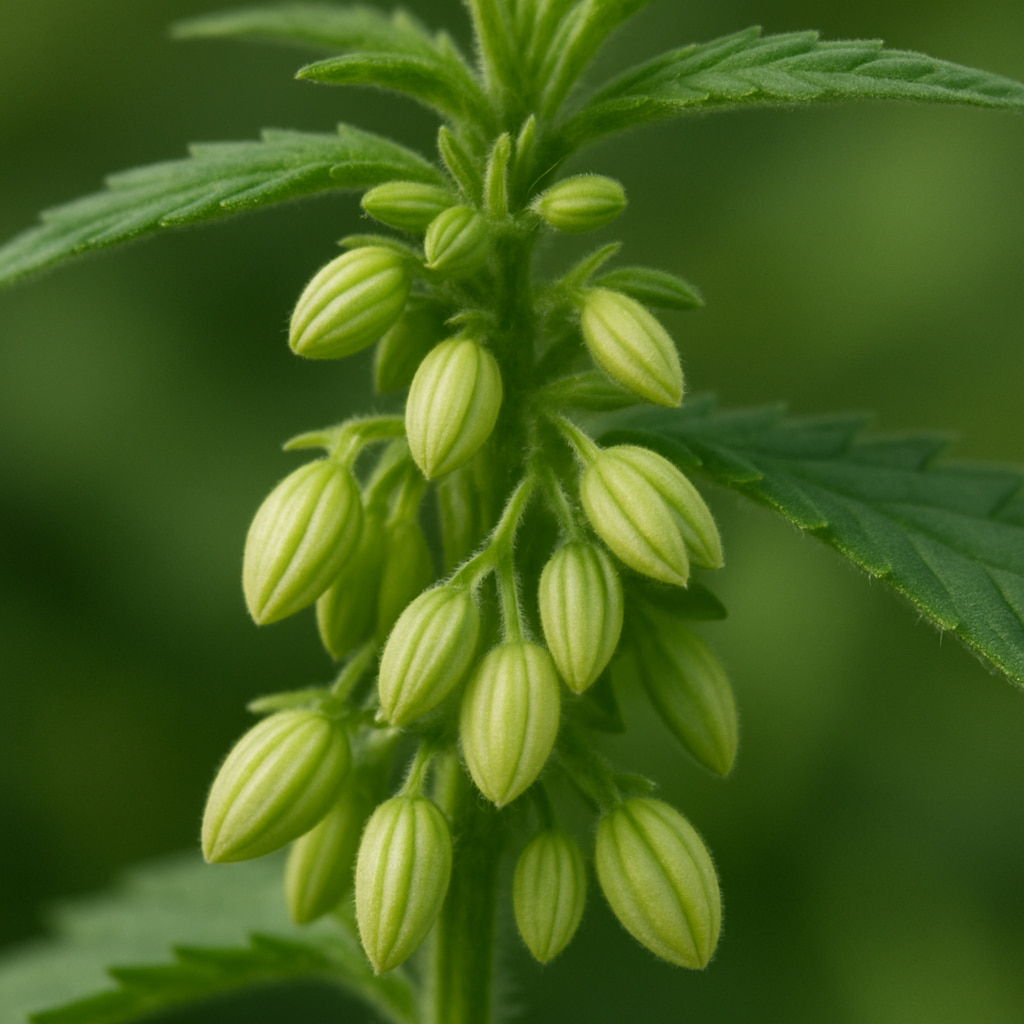
Male plants primarily develop pollen sacs. These sacs are crucial as they produce pollen. Without this pollen, female plants cannot produce seeds.
Identifying
Here's what to know about
- Essential for breeding new cannabis strains.
- Capable of contributing to genetic diversity.
- Important in maintaining a natural growth cycle.
Recognizing male plants early in cultivation is pivotal. This early identification helps prevent unintended pollination. Male plants typically reveal their sex weeks before flowering.
The role of
Male vs. Female Marijuana Seeds: Key Differences
Understanding the distinctions between male and female marijuana seeds is crucial for growers. These differences impact both the cultivation process and the final product.
Female marijuana plants are the stars of cannabis cultivation. They produce the buds rich in cannabinoids. These buds are the desired product for most growers.
In contrast, male plants play a supportive role. They produce the pollen needed for breeding, enabling the creation of new strains. Without male plants, developing fresh cannabis genetics would be impossible.
Here are the key differences:
- Production: Female plants produce buds; male plants produce pollen.
- Purpose: Female plants are for smoking; male plants are for breeding.
- Identification: Female plants develop pistils; male plants show pollen sacs.
Identifying male and female plants early can prevent unwanted outcomes. Male plants can ruin a bud harvest through unintentional pollination. This leads to seeded buds, which are less desirable for consumption.
The Role of Male Marijuana Plants in Cannabis Cultivation
Male marijuana plants play a pivotal role in cannabis breeding. Their primary function is to produce pollen, essential for seed production. Without male plants, creating new cannabis strains would not be possible.
The pollen from male plants fertilizes female plants. This process results in seed formation. Consequently, seeds provide the next generation of cannabis plants, allowing growers to experiment with genetics.
Beyond breeding, male plants contribute to genetic diversity. They introduce new genes, which can enhance strain resilience. This diversity is crucial for developing strains with unique and desirable traits.
Male plants also have practical uses beyond pollination:
- Fibers: They can be used to produce hemp fibers for textiles.
- Essential oils: Male plants can be processed to extract oils and concentrates.
- Nutritional products: They are a source of high-quality hemp seeds.
However, integrating male plants into a grow operation requires careful management. This ensures the desired outcome, whether for breeding or other purposes. Male marijuana plants, while often overlooked, are invaluable in cultivation. By understanding their role, growers can make informed decisions about including them in their operations.
Regular Marijuana Seeds : What to Expect
Growers often choose
- Genetic Variety: They produce a mix of male and female plants.
- Breeding Potential: Ideal for those interested in creating new cannabis strains.
- Cost-Effectiveness: Typically cheaper than feminized seeds.
However, identifying the plant's sex early is crucial. Male plants can unintentionally pollinate females, affecting bud quality. As such, many growers choose to monitor and segregate plants diligently.
Identifying Male Marijuana Plants: Early Signs and Tips
Detecting male marijuana plants early helps prevent unplanned pollination. Male plants showcase their sex sooner than females. Recognizing these early signs is crucial for growers.
Male plants develop pollen sacs instead of pistils. These sacs resemble small balls and are located at branch nodes. This feature is one of the first indicators.
Timing is essential in identifying plant sex. Male plants usually reveal their sex within a few weeks of the flowering stage. Early identification allows for swift action.
Here are some common signs to watch for:
- Pollen Sacs: Found at the junction of branches.
- No Pistils: Absence of white hairs typical of female plants.
- Height: Males might be taller than females early on
Monitoring these signs prevents accidental pollination. Removing identified male plants is a common practice. This process ensures that female plants remain focused on bud production. By observing these early indicators, growers can maintain control over their cannabis cultivation environment. Proper identification safeguards the overall quality and yield of the crop.
Benefits of Growing Male Marijuana Plants
Male marijuana plants often get a bad rap, but they offer unique benefits. They are essential for breeding new cannabis strains. This contribution is vital for genetic diversity.
Male plants produce pollen needed for fertilization. Without male plants, the creation of seeds for future crops is impossible. This makes them indispensable in any breeding project.
Beyond breeding, male plants offer other advantages. Some growers use them to strengthen strain resilience. The pollen from male plants can introduce beneficial traits to new hybrids.
Here are some benefits of male marijuana plants:
- Breeding: Essential for creating new strains.
- Genetic Diversity: Adds variety and strength to strains.
- Industrial Use: Produces hemp fiber and essential oils
Male plants can also produce high-quality hemp materials. This includes textiles, oils, and other non-psychoactive products. Such industrial applications showcase their versatility.
In conclusion, male marijuana plants are not merely obstacles in bud production. They play crucial roles in breeding, genetic diversity, and industrial uses. By understanding their benefits, growers can make informed decisions about their cultivation processes. This knowledge is key to maximizing the potential of any cannabis garden.
Challenges and Risks of Male Plants in Your Grow
While male marijuana plants offer benefits, they also pose challenges. One major risk is unintentional pollination. If male plants are near female plants, they can fertilize them.
Pollination leads to seeded buds, which are less desirable for consumption. This reduces the quality of the final product. Consequently, male plants can impact the overall yield adversely.
Identifying male plants quickly is crucial. Delayed identification can result in unwanted fertilization. Growers need to monitor plants regularly to spot male characteristics early.
Here are some challenges of male plants:
- Pollination Risk: Can reduce bud quality.
- Yield Reduction: Seeded buds lower the usable product.
- Management: Requires constant monitoring.
Removing male plants can demand extra resources and effort. This can strain the grower's operations. For growers focused on bud production, the presence of male plants adds complications.
In summary, male marijuana plants require careful management. Understanding their risks helps growers maintain quality and maximize yields. Related reading: Do Feminized Cannabis Plants Produce Seeds
Breeding Cannabis: Using Male Seeds to Create New Strains
Breeding cannabis is an art and science.
Using male plants allows breeders to combine desirable traits. This can include yield, flavor, and resilience. Male plants contribute half of the genetic material, influencing the offspring's characteristics.
When selecting male plants for breeding, breeders look for specific features. These might include strong growth, favorable traits, and disease resistance. The right male can enhance the desired qualities in new strains.
Key steps in cannabis breeding using
- Selection: Choose males with preferred traits.
- Pollination: Introduce pollen to female plants.
- Observation: Monitor offspring for desired characteristics.
Using
Overall,
Best Practices for Managing Male and Female Plants
Managing both male and female cannabis plants requires careful attention. The goal is to maximize benefits while minimizing risks. By following best practices, growers can achieve successful cultivation.
Start by segregating male from female plants. This prevents unwanted pollination. Pollination can lead to seeded buds, which are undesirable for smoking.
Regularly inspect your plants for signs of sex. Male plants usually show their sex early. Look for pollen sacs in males, which differ from the pistils on females. Early identification helps manage plant space effectively.
Consider these best practices:
- Early Identification: Inspect plants early for sex determination.
- Separate Genders: Keep male and female plants apart.
- Monitor Flowering: Watch for flowering signs to reduce unwanted pollination.
Maintaining clear separation and vigilant observation are key. Doing so ensures a controlled growing environment. This helps produce the desired cannabis outcome, preserving both yield and quality.
Where to Find Regular Marijuana Seeds for Sale
Finding
When searching, prioritize quality and reliability. Reputable sources guarantee fresh, viable seeds that match your cultivation goals. Look for seed banks with good reviews and transparent policies.
Consider this short list of options to explore:
- Local Seed Banks: Visit nearby dispensaries or cannabis expos.
- Online Seed Banks: Websites like Quebec Cannabis Seeds are well-known.
- Community Recommendations: Connect with fellow growers for trusted referrals.
Investing in quality seeds is the first step toward a fruitful harvest.
Conclusion: The Value of Male Marijuana Seeds in Cannabis Growing
Growing male plants can offer advantages beyond breeding. These include producing hemp fibers and non-psychoactive products. They also play a significant role in sustaining a more natural and self-sufficient grow operation.
Understanding
Frequently asked questions
What are male marijuana seeds?
Seeds that develop into male plants. Male plants produce pollen sacs rather than the buds growers harvest.
What is the role of male plants?
Their pollen fertilizes female plants so they make seeds, which breeders use to create new strains.
How are male and female plants different?
Our guide compares them: males form pollen sacs at the nodes, while females form the flowers harvested for use.
Where can I find regular seeds?
Regular (non-feminized) seeds can produce both males and females. See our guide and shop for options.