
 Français
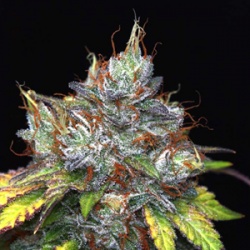
Wedding Cake is a dessert-style hybrid built from Girl Scout Cookies and Cherry Pie. It is known for a sweet, vanilla and pastry aroma over an earthy, peppery base, and for dense, frosty buds. This guide covers the genetics, flavour, effects and growing details of Wedding Cake, with both feminized and autoflower seeds available from Quebec Cannabis Seeds (QCS).
Wedding Cake at a glance
| Trait | Feminized | Autoflower |
|---|---|---|
| Genetics | Girl Scout Cookies × Cherry Pie | Wedding Cake with ruderalis genetics |
| Type | 60% indica, 40% sativa | 65% indica |
| THC | Up to 25% | About 24% |
| Indoor flowering | 50–60 days | 9–10 weeks from seed |
| Outdoor harvest | Late September | Not photoperiod dependent |
| Flavour | Earthy, spicy, sweet candy, pastry | Sweet, creamy vanilla |
Compare the two directly: Wedding Cake feminized seeds and Wedding Cake autoflower seeds.
Where Wedding Cake comes from
Wedding Cake, also sold as Pink Cookies, is a cross of Girl Scout Cookies and Cherry Pie. Both parents are known for sweet flavour and high resin production, and Wedding Cake inherited both traits. It became one of the best-known dessert strains and is now a parent of many newer crosses.
Flavour and aroma
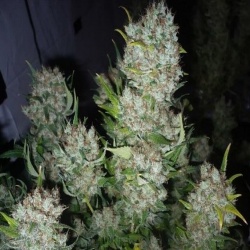
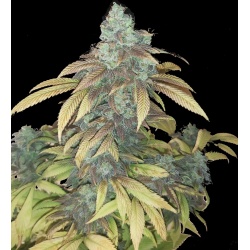
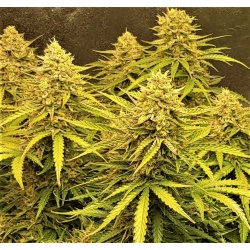
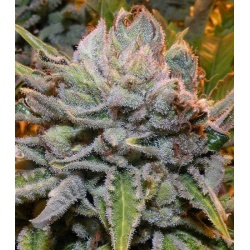
Expect a sweet, doughy aroma with vanilla, sugar and a hint of spice, sitting on an earthy, peppery base. The autoflower version leans creamier and sweeter. Dried buds are dense and heavily coated in trichomes, which gives Wedding Cake its frosty look.
Effects
Because Wedding Cake leans indica, most people describe a calm, body-focused feel with a relaxed head. With THC up to 25%, it is a strong strain, so newer consumers should start with a small amount. Effects vary from person to person. For a wider look at how indica-leaning strains feel, read what indica does to you.
Growing Wedding Cake
- Indoors (feminized): about 50–60 days of flowering after the switch to 12/12 light. Keep humidity lower in late flower, because the dense buds can hold moisture.
- Indoors (autoflower): about 9–10 weeks from seed to harvest, with 500–600 g/m² expected under good conditions.
- Outdoors: the feminized plant finishes around late September, so start early and choose a sunny, sheltered spot in a short-season climate like Quebec.
- Training: topping and light defoliation help light and airflow reach the dense lower buds.
Check the cultivation rules that apply where you live before you plant.
Frequently asked questions
Is Wedding Cake indica or sativa?
Wedding Cake is an indica-leaning hybrid: 60% indica and 40% sativa for the feminized version, and 65% indica for the autoflower.
What are the parents of Wedding Cake?
Wedding Cake is a cross of Girl Scout Cookies and Cherry Pie.
How long does Wedding Cake take to flower?
The feminized plant flowers in about 50–60 days indoors. The autoflower takes about 9–10 weeks from seed.
How much THC does Wedding Cake have?
Up to 25% for the feminized version and about 24% for the autoflower, with low CBD.