
 Français
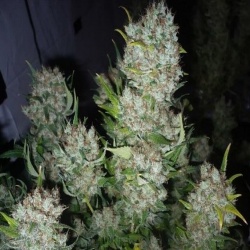
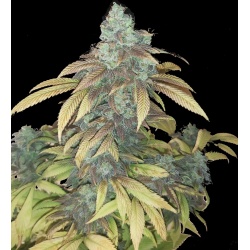
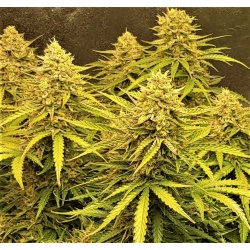
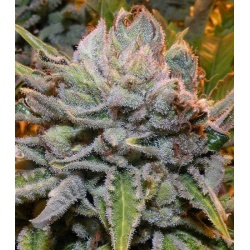
 A phenotype is the set of traits a plant actually shows: its height, branching, leaf shape, aroma, flowering time and more. It comes from two things working together, the plant’s genes (its genotype) and the environment it grows in. That is why two seeds from the same pack can look and smell different, even when you grow them side by side.
Genetics
One pack, several phenotypes
Same parents, different plants. Here is why, and what you can do about it.
Our breeding program
Genotype vs phenotype
| Term | What it means | Example |
|---|---|---|
| Genotype | The genetic code a plant inherits from its parents | The genes that influence height, resin and aroma |
| Phenotype | The traits you can see, smell and measure | A tall plant with narrow leaves and a citrus aroma |
| Environment | The conditions that shape how the genes show up | Light, temperature, feeding and stress |
Why seeds from the same pack differ
Every seed is a new mix of genes from two parents. When the parents carry many different versions of a gene, those versions are shuffled differently in each seed, so the plants vary. Seeds from a very stable line, bred over many generations to be uniform, look more alike. Seeds from a recent cross usually vary more.
The traits that most often differ between plants from the same pack are:
- Height and branching
- Leaf shape and colour
- Flowering time
- Aroma and flavour
- Resin production
- Resistance to mold and pests
Pheno hunt
Four steps, in order
What is pheno hunting?
Pheno hunting means growing several seeds of the same variety and choosing the best plant to keep. It is how breeders and many home growers find a plant that matches what they want.
- Start with more seeds than you need. A larger group gives you more variation to choose from.
- Grow them under the same conditions. This way, differences come from the plants, not from the room.
- Keep notes. Write down growth rate, structure, aroma, flowering time and how each plant handles stress.
- Compare after harvest. Judge each plant once it is dried and cured, because aroma and flavour change at that stage.
- Keep the best one. Choose a keeper and preserve it with cuttings.
Keeping a phenotype with cuttings
A cutting (clone) is a copy of the mother plant’s genes, so it grows the same traits under similar conditions. To keep a phenotype you like, take cuttings from the plant before it flowers, or keep a mother plant in a separate space under long days. This works with photoperiod plants. Autoflowers are not practical to clone, so to repeat a favourite autoflower you need seeds from the same line (see can you clone autoflower?).
What to expect from a pack
With seeds from a recent cross, expect some variation in height, structure and aroma. With seeds from a stable line, expect plants that look more alike. Either way, the environment counts too: stable light, steady feeding and low stress help every plant show what its genes can do.
If you want to see how our own genetics are selected, read about the QCS breeding program. To choose between seed types, see feminized vs regular seeds and autoflower vs photoperiod seeds.
Stable or varied
What to expect from your seeds
Stable line
Plants look alike
Bred over many generations, so fewer surprises from seed to seed.
Recent cross
More variation
A wider range of height, structure and aroma to choose from.
Found a phenotype worth keeping? Taking cuttings is usually easier than re-vegging a plant after harvest.
Common questions
Is a phenotype the same as a strain? No. A strain is a named variety. A phenotype is how one individual plant of that variety turns out.
What is a keeper? A keeper is the plant you choose to preserve, usually as a mother plant for cuttings, because it has the traits you want.
Can the environment change a phenotype? Yes. Light, temperature, feeding and stress can change a plant’s size, colour and aroma. They do not change its genes, so another seed from the same pack may still grow differently.
Do clones keep the same phenotype? A clone has the same genes as its mother, so it grows the same traits when conditions are similar.
How many seeds do I need to find a keeper? There is no fixed number. More seeds give you more variation to choose from, and a stable line needs fewer than a recent cross.